
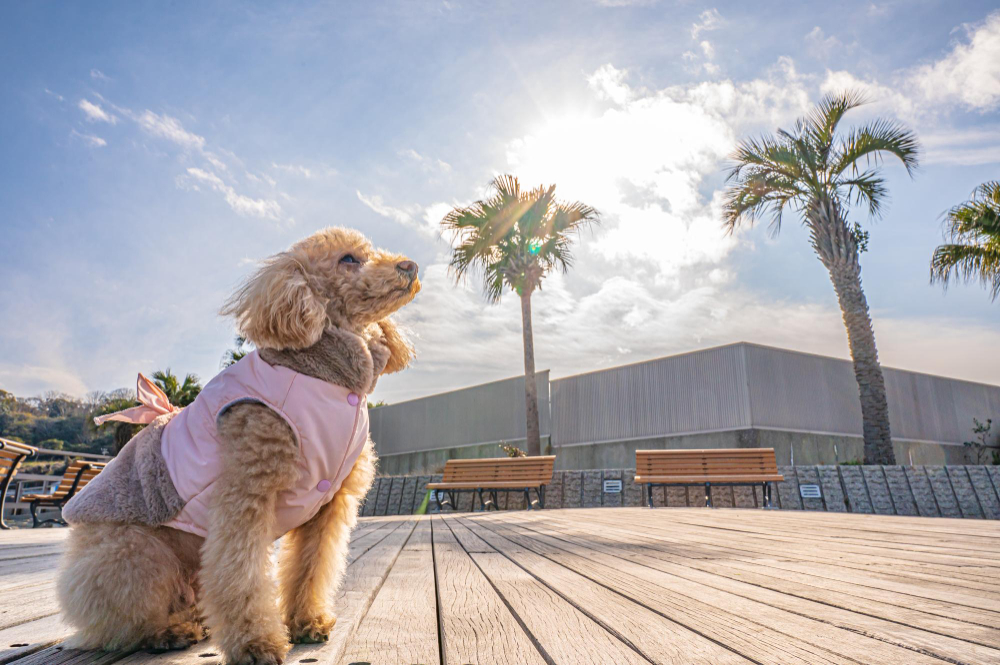
For most pet owners, the question is never really whether to bring their pet to Dubai. It is how. Leaving a dog or cat behind when you relocate is not a conversation most people are willing to have, and the good news is that you absolutely do not have to. Thousands of expats bring their pets to Dubai every year and go on to build wonderful lives here together.
But the process of bringing your pet to Dubai is more involved than almost any other part of your relocation, and the consequences of getting it wrong range from expensive to heartbreaking. Animals can be denied entry. Incorrect paperwork submitted in the wrong order can mean your pet is held, delayed, or turned away entirely. This is not a process you want to figure out as you go.
This guide covers the entire journey: which pets are permitted, the documents you need and when to get them, how flying with Emirates SkyCargo works, what happens on arrival in Dubai, the cost of the whole process, pet-friendly housing, vets, and what daily life with a pet in this city actually looks like. Start reading this as early as possible. The sooner you begin, the smoother it will be.
Is Your Pet Allowed into Dubai?
Before anything else, you need to confirm that your specific pet is permitted to enter the UAE. The rules differ by species and by breed, and there are animals and breeds that cannot come regardless of how much documentation you have.
Dogs: most dog breeds are welcome in Dubai, but it is worth being precise about the difference between banned and restricted, because it changes what you need to do. Fully banned from import, regardless of individual temperament, are breeds such as the Pit Bull Terrier, American Staffordshire Terrier, American Bully, Cane Corso, Boerboel, Bullmastiff, Japanese Tosa, Presa Canario, and several Mastiff types including the Dogue de Bordeaux and Tibetan Mastiff, along with any crossbreed of these.
Rottweilers, Dobermans and Boxers are not banned, but they are restricted, meaning they can be imported and owned, but require a specific permit, mandatory registration, and strict handling rules including muzzling in public.
If your dog is a mixed breed that may carry any of these bloodlines, get clarity from the UAE Ministry of Climate Change and Environment before you do anything else. Additionally, snub-nosed (brachycephalic) breeds such as French Bulldogs, Pugs, English Bulldogs, and Boxers face additional restrictions due to their breathing difficulties at altitude. Emirates SkyCargo does not accept brachycephalic breeds except under specific conditions during the cooler winter months from November to April.
Cats: most cat breeds are accepted. Flat-faced breeds such as Persians and Exotic Shorthairs face the same brachycephalic restrictions as snub-nosed dogs and may only be transported during winter months.
Other animals: birds, rabbits, and some other small animals may be importable but face significantly more complex documentation requirements. Reptiles, rodents, and many exotic animals are not permitted. If your pet falls outside the cat and dog category, contact the UAE Ministry of Climate Change and Environment directly to confirm before making any plans.
Number of pets: the UAE limits imports to a maximum of two companion animals per person per year. A licensed relocation agent may sometimes be able to arrange more, but as an individual owner, plan around that cap and confirm current limits with the relevant authority before travelling with multiple animals.
The Documentation You Need and When to Get It
This is where most pet relocations either go smoothly or fall apart, and the single most important thing to understand is that the paperwork has a strict sequence and strict timing. Documents obtained in the wrong order, or too far in advance, may not be valid by the time you travel.
Microchip: your pet must be microchipped with an ISO 11784/11785 compatible 15-digit microchip before any other steps are taken. If your pet is already microchipped, verify it is ISO compliant. The microchip must be implanted before the rabies vaccination is given for the vaccination to count.
Rabies vaccination: your pet must be vaccinated against rabies after being microchipped. The UAE requires the rabies vaccination to be current, and there is typically a waiting period after vaccination before your pet can travel. For pets coming from non-rabies-free countries, the UAE requires a rabies titre test (blood test) to confirm adequate immunity.
Rabies titre test: if required for your country of origin, this blood test must be carried out at an approved laboratory at least 21 days after vaccination, and the results must show adequate antibody levels. Critically, there is then a mandatory waiting period of around three months (roughly 90 days) from the date of that blood draw before your pet can travel. This is the step that catches most people out. If your pet has not had a titre test yet, you may be looking at a minimum of four to five months before travel is possible.
Health certificate: within ten days of travel, a licensed veterinarian must issue a health certificate confirming your pet is fit to fly, free of parasites, and up to date on all required vaccinations. This certificate must then be endorsed by your government’s official veterinary authority. In the UK this is the Animal and Plant Health Agency (APHA). In the US it is the USDA. Allow time for this endorsement as it does not happen overnight.
Import permit: you need to obtain an import permit from the UAE Ministry of Climate Change and Environment before your pet travels. This is a critical step and cannot be skipped. Applications can be made online through the UAE government portal.
Vaccination records: bring complete vaccination records for your pet’s lifetime, not just the most recent ones. UAE officials may want to review the full history.
The golden rule: start this process a minimum of six months before your planned travel date if a titre test is required. Even without a titre test, four months is the absolute minimum to do this properly without stress.
Bringing Your Pet to Dubai: How Emirates SkyCargo Works
One of the most common questions from expats relocating to Dubai with pets is whether they can bring their pet on the plane with them. The answer, for most people, is that their pet will travel separately through Emirates SkyCargo rather than in the cabin or as checked baggage.
Emirates does not permit pets in the cabin on flights into Dubai, with the exception of certified service animals and falcons on certain specific routes. Emirates also does not accept pets as checked baggage on incoming Dubai flights. All pets arriving in Dubai travel as manifest cargo through Emirates SkyCargo, which is Emirates’ dedicated freight and live animal service.
What Emirates SkyCargo actually offers: this is not a compromise. Emirates SkyCargo operates a genuinely premium live animal service with temperature-controlled holds, dedicated handling teams, and round-the-clock care. Pets are the last to be loaded onto the aircraft and the first to be retrieved on arrival, specifically to minimise their exposure to the elements. The entire journey is documented and trackable.
Transit care: if your pet is transiting through Dubai on the way to another destination, or if you have a connection, Emirates SkyCargo’s team in Dubai will care for your pet during the layover. Transit pets must have a minimum connection time of six hours. During this time they are cleaned, fed, watered, and given any special food or medication provided in advance at the time of booking.
Booking Emirates SkyCargo for your pet: you cannot book pet cargo through the standard Emirates passenger booking process. You need to contact Emirates SkyCargo directly or work through a licensed pet relocation agent. Allow at least four business days for processing, though booking further in advance than this is strongly recommended as space is limited.
Cost: Emirates SkyCargo pet transport costs depend on the size and weight of your pet and crate, and your route. As a guide, costs typically range from around AED 3,700 to AED 11,000 or more (roughly EUR 1,000 to EUR 3,000) for the cargo transport alone, not including the crate, documentation costs, or destination handling fees. Larger dogs in larger crates naturally cost more. Get a quote from Emirates SkyCargo or a pet relocation specialist early in your planning.
Summer restrictions: this is critical. Emirates SkyCargo, in line with UAE regulations, suspends or significantly restricts the transport of live animals during the hottest months, typically June through September, when temperatures in Dubai exceed safe thresholds for animal welfare. If you are planning to relocate in summer, your pet may need to travel in spring or early autumn instead, staying with family, friends, or in a boarding facility until the weather makes travel safe again.
Other airlines: if you are not flying Emirates, other airlines such as Lufthansa, Air France, and British Airways also transport pets and may allow smaller pets as checked baggage on certain routes. Always confirm pet policies directly with your specific airline and on your specific route, as policies vary by route, aircraft type, and season.
Using a Pet Relocation Company: Is It Worth It?
Given the complexity of the documentation requirements, the strict timelines, and the potential consequences of errors, many expats choose to use a professional pet relocation company to manage the process. This is not an unnecessary luxury for most people. It is often the difference between a smooth relocation and a nightmare.
Pet relocation specialists know the current UAE import requirements inside out, have established relationships with Emirates SkyCargo and the relevant authorities, manage all the paperwork sequencing, arrange the health certificates and government endorsements, organise collection and delivery, and handle any issues that arise. They remove the uncertainty from the most stressful part of your move.
Cost of a pet relocation service: full-service pet relocation from the UK, US, or Australia to Dubai typically costs between AED 7,000 and AED 18,000 per pet depending on the level of service, origin country, and size of the animal. This is on top of the Emirates SkyCargo transport costs. It is a significant expense, but for many pet owners it is entirely worth it for the peace of mind.
Well-regarded international pet relocation companies operating to and from Dubai include PetAir, Airpets International, and World Care Pet Transport. Always check reviews, ask for references, and confirm they are IPATA (International Pet and Animal Transportation Association) certified before booking.
What Happens When Your Pet Arrives in Dubai
Your pet will arrive at Dubai International Airport through the Emirates SkyCargo facility, not the passenger terminal. This is important to understand practically: you will collect your pet from a separate cargo facility, not from the baggage carousel.
On arrival, UAE customs officials will inspect your pet and verify all documentation. This is where any paperwork issues will be caught. If everything is in order, the process is typically quick. If there are discrepancies, your pet may be held while issues are resolved, which is stressful and potentially expensive.
What you need at collection: your import permit, original health certificate with government endorsement, vaccination records, your Emirates ID or passport, and the airway bill number from Emirates SkyCargo. Have physical copies of everything, not just digital ones.
Veterinary inspection: all incoming animals are subject to a veterinary inspection by UAE officials. Your pet will be checked for health, microchip, and document compliance.
Registration: once your pet has cleared customs, you will need to register them with the relevant Dubai municipality within a set timeframe. Dogs must be licensed and registered, and this includes an annual fee. Keep this registration current as it is a legal requirement.
Pet-Friendly Housing in Dubai: What You Need to Know
Finding pet-friendly rental accommodation in Dubai is one of the most significant practical challenges for expat pet owners. The situation has improved in recent years, but it remains genuinely difficult, particularly for dog owners. Many landlords and building management companies in Dubai do not permit pets, particularly dogs. Some buildings explicitly ban all pets. Others allow cats but not dogs.
A smaller number are genuinely pet-friendly and welcome both. The pet-friendliness of a property is something you must confirm directly with the landlord or building management before signing any lease, as pet damage deposits and additional conditions often apply. If you have not already read my Renting in Dubai guide, it is worth doing before you start viewing properties, since knowing your rights and the standard contract terms puts you in a much stronger position to negotiate a pet clause with a landlord.
Best areas for pet owners in Dubai: villa communities tend to be significantly more pet-friendly than apartment buildings, and for dog owners they are almost always the better choice. Communities like Arabian Ranches, The Springs, The Meadows, Jumeirah Park, Mirdif, and Al Barsha villas tend to have more pet-tolerant landlords and the outdoor space that dogs genuinely need. Be direct about having a pet from the very first conversation with any landlord or agent, never try to sneak a pet into a no-pet property. The consequences if discovered include lease termination.
Pet deposits: many pet-friendly landlords in Dubai charge an additional refundable pet deposit, typically AED 2,000 to AED 5,000, on top of the standard security deposit. Budget for this when planning your housing costs.
Vets in Dubai: Finding Good Care for Your Pet
Dubai has an excellent veterinary sector with well-equipped clinics and experienced vets across the city. The standard of care is genuinely high, and many vets in Dubai have trained internationally.
Well-regarded veterinary clinics in Dubai include the British Veterinary Clinic, Vetcare Animal Hospital, Dubai Falcon Hospital (for birds), and several branches of Modern Veterinary Clinic. Most areas of the city have at least one reputable vet within a reasonable distance.
Cost of vet care in Dubai: veterinary care in Dubai is not cheap. A standard consultation typically costs AED 150 to AED 300. Vaccinations, dental work, and procedures are priced at a premium compared to many Western countries. Pet health insurance is available in Dubai and worth considering, particularly for older animals or breeds prone to health issues.
Annual vaccinations and licensing: keep your pet’s vaccinations current and your dog’s municipal registration renewed annually. These are legal requirements and also essential for any future travel or boarding needs.
Life with a Pet in Dubai: What to Expect
Once you are through the relocation process and settled in, life with a pet in Dubai is genuinely wonderful for the most part. The expat pet owner community is large, warm, and extremely helpful. Dog parks, pet cafes, pet-friendly beaches, and a thriving network of groomers, trainers, dog walkers, and pet sitters make daily life manageable.
The heat: summer in Dubai is the biggest practical challenge for pet owners. Dogs in particular should not be walked outside during daylight hours from June through September. Early morning before 7am and after sunset are the only safe windows for outdoor exercise. Paw burns on hot pavement are a real risk. Indoor dog parks and air-conditioned play spaces operate year-round for exactly this reason.
Dog-friendly spaces: Kite Beach has a designated dog-friendly area that is popular with the expat dog owner community. Mushrif Park, Zabeel Park, and several other public parks permit dogs on leads. The dog-friendly beach scene in Dubai is more limited than in many Western cities, but it exists and the community around it is friendly.
Pet boarding and sitting: for travel and holidays, Dubai has a good range of pet boarding facilities and home-based pet sitters. The expat pet community on social media and in neighbourhood groups is an excellent source of personal recommendations for trusted sitters, which matters when you are leaving your pet with someone.
The expat pet community: Facebook groups like Cats and Dogs of Dubai and various neighbourhood pet owner groups are genuinely active and helpful. Whether you need a vet recommendation, a dog walker, advice on a specific breed restriction, or just solidarity during a difficult part of the relocation, these communities are full of people who have been exactly where you are.
Total Cost of Relocating a Pet to Dubai
Let us bring all the costs together honestly, because the total often surprises people who have only budgeted for the flight.
- Microchipping (if not already done): AED 150 to AED 300
- Vaccinations and boosters: AED 300 to AED 800
- Rabies titre test (if required): AED 400 to AED 800 plus laboratory fees
- Health certificate and government endorsement: AED 500 to AED 1,500 depending on country
- UAE import permit: around AED 200
- IATA-approved travel crate: AED 300 to AED 1,500 depending on size
- Emirates SkyCargo transport: AED 3,700 to AED 11,000 or more depending on size and route
- Pet relocation company fees (if used): AED 7,000 to AED 18,000
- Dubai veterinary inspection and registration on arrival: AED 500 to AED 1,000
- Pet deposit for rental property: AED 2,000 to AED 5,000
For a medium-sized dog using a full-service relocation company from the UK, the total cost of getting your pet to Dubai and settled in legally can easily reach AED 25,000 to AED 35,000. For a cat managed largely independently, the figure is considerably lower, perhaps AED 8,000 to AED 15,000. These are significant sums, but for most pet owners they are simply the cost of keeping the family together.
Final Thoughts
Bringing your pet to Dubai is one of the most logistically demanding parts of an expat relocation. It requires more planning, more paperwork, more time, and more money than almost anything else on your moving list. There will be moments where it feels overwhelming.
But the expats who have been through it will tell you that arriving in Dubai and having your pet with you, watching them explore a new home, settle into a new routine, and eventually thrive in this city, makes every bit of the effort worth it. Pets do not just add comfort to expat life in Dubai. For many people they are the anchor that makes a new city feel like home.
Start early, get the paperwork right, use a professional if the process feels unmanageable, and know that thousands of pets and their families have made this journey successfully before you. Yours can too.
For the most current UAE pet import requirements and to apply for your import permit, visit the UAE Ministry of Climate Change and Environment official website. For Emirates SkyCargo pet bookings and live animal guidelines, contact Emirates SkyCargo directly through their official channels.
For more on planning your move to Dubai, our guide on What is the Real Cost of Living in Dubai and our post Best Areas to Live in Dubai are useful starting points for thinking about where to base yourself, especially as a pet owner.
With love,
Dearest Dubai 🤍