
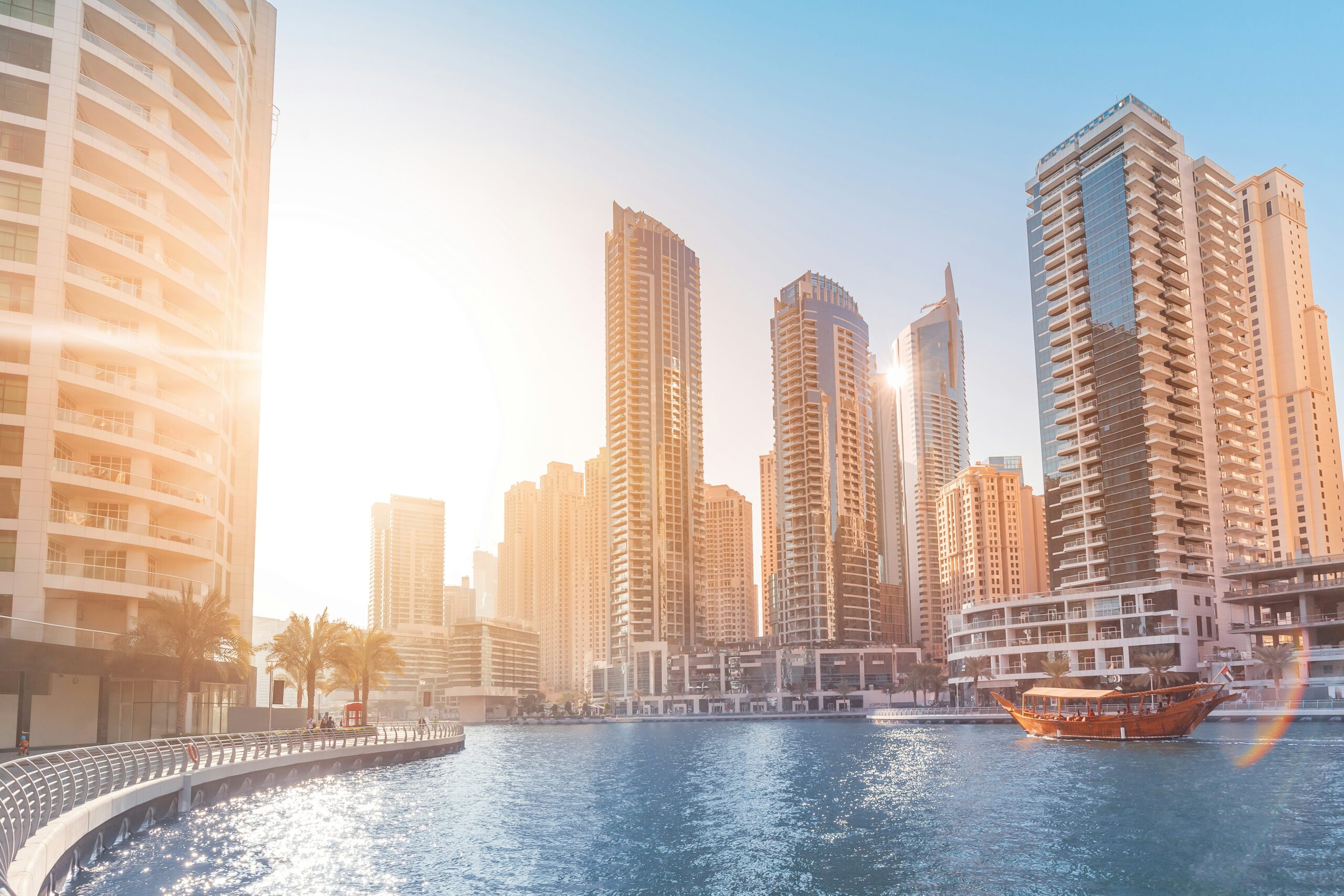
Choosing among the best areas to live in Dubai 2026 is one of the most important decisions you will make. Your neighbourhood determines your commute, your lifestyle, your spending habits, your social circle, your stress levels, and ultimately your ability to save money in Dubai.
Dubai is not one personality, it is many cities within one: luxury waterfront towers, quiet villa communities, budget-friendly apartment clusters, master-planned suburban neighbourhoods, and fast-growing mid-range districts. Each area attracts a different type of resident, and each comes with different financial implications.
If you are moving to Dubai in 2026, renewing your tenancy contract, or relocating your family, this guide will help you choose intentionally based on budget, lifestyle, commute time, schools, and long-term financial goals. This is a structured, realistic breakdown of Dubai’s most popular residential areas, including updated 2026 rental prices, pros and cons, commute considerations, and cost-of-living strategy for every budget. Because in Dubai, where you live directly shapes how you live.
Downtown Dubai: Luxury, Walkability and Prestige
Downtown Dubai is one of the most prestigious residential areas in the city. Home to Burj Khalifa and Dubai Mall, it represents high-rise luxury living in its purest form, and there is always something happening here.
Who it suits: high-income professionals working in DIFC or Business Bay, entrepreneurs and executives, residents prioritising central convenience and skyline views, and those comfortable allocating a larger percentage of income toward housing.
Average rent in 2026: a studio runs 75,000 to 95,000 AED, a one-bedroom 110,000 to 150,000 AED, and a two-bedroom 180,000 to 250,000 AED.
The upsides are a prime central location, metro access, strong rental demand and resale value, walkability to dining and retail, and premium building amenities. The downsides are high rent and service charges, traffic congestion during peak hours, and real lifestyle inflation risk. Downtown offers convenience and prestige, but it requires strong financial discipline. If your rent exceeds 35 to 40% of your net income, savings can suffer quickly. Luxury living in Dubai should be intentional, not impulsive.
Dubai Marina: Waterfront Living and Social Energy
Dubai Marina remains one of the most popular expat areas in Dubai in 2026, offering waterfront living, beach proximity, metro access, and vibrant nightlife.
Who it suits: young professionals, remote workers, social expats, and residents prioritising lifestyle energy over quiet.
Average rent: a studio runs 65,000 to 90,000 AED, and a one-bedroom 95,000 to 140,000 AED.
The upsides are a walkable promenade, beach access at JBR, a strong expat community, and an active dining and café scene. The downsides are heavy traffic during peak hours, parking limitations in older towers, and increased discretionary spending. Rent here may appear manageable, but lifestyle spending in Marina can significantly increase monthly expenses. Dining, valet parking and social outings often raise your total cost of living more than the rent itself does.
Business Bay: Central but More Balanced
Business Bay sits next to Downtown but offers more mid-range rental options, and it is one of Dubai’s fastest-growing mixed-use districts.
Who it suits: professionals working in central Dubai, residents wanting shorter commute times, and mid-to-high income earners.
Average rent: a studio runs 60,000 to 80,000 AED, and a one-bedroom 90,000 to 120,000 AED.
The upsides are a central location, a growing dining scene, modern towers, and strong investment potential. The downsides are ongoing construction in some pockets and limited green space. Business Bay can reduce your commute costs, in both fuel and Salik tolls, while keeping you close to the major business hubs.
Jumeirah Village Circle (JVC): Affordable and Expanding
JVC is one of the most searched residential areas in Dubai for affordability in 2026, offering competitive rental prices and newer buildings.
Who it suits: budget-conscious professionals, couples saving aggressively, and first-time renters in Dubai.
Average rent: a studio runs 45,000 to 65,000 AED, and a one-bedroom 65,000 to 95,000 AED.
The upsides are affordable rental options, a community layout, and a growing retail presence. The downside is that it is fairly car-dependent with limited metro access. Choosing JVC over Marina or Downtown can save 20,000 to 40,000 AED annually in rent, which meaningfully improves financial stability, especially in your first year.
Dubai Hills Estate: Modern Family Living
Dubai Hills Estate is a master-planned community focused on family living, green space, and long-term stability.
Who it suits: families relocating to Dubai, long-term expats, and residents prioritising schools and parks.
Average rent: a one-bedroom apartment runs 100,000 to 130,000 AED, and villas 200,000 to 350,000 AED.
The upsides are international schools nearby, parks and a golf course, and genuinely organised infrastructure. The downside is higher rental costs and needing a car for most day-to-day life. For families, proximity to schools reduces both daily stress and transport costs, which is often worth more than the rent difference suggests on paper.
Mirdif: Established and Family-Oriented
Mirdif is an older but spacious villa community offering better value per square metre than most comparable family areas.
Who it suits: families, long-term residents, and budget-conscious villa renters.
Average rent: villas run 120,000 to 200,000 AED.
The upsides are larger properties, a quiet residential environment, and proximity to the airport. The downsides are older architecture and limited nightlife. Mirdif prioritises space over prestige, which can genuinely improve quality of life for families who would rather have a garden than a view.
International City and Al Nahda: Budget-Focused Options
These areas remain among the most affordable places to live in Dubai in 2026. A studio runs 30,000 to 45,000 AED, and a one-bedroom 45,000 to 65,000 AED.
The upsides are low rental cost and larger units for the price. The downsides are longer commute times, older buildings, and limited premium amenities. If you are saving aggressively during your first year in Dubai, these areas provide real financial breathing room.
Best Areas to Live in Dubai 2026 by Budget
Before you decide, ask yourself a few honest questions: what is your monthly net income, what percentage of it will rent consume, how much do you want to save annually, do you prioritise walkability or space, do you need schools, nurseries or parks nearby, and are you staying short-term or long-term.
A useful rule of thumb many long-term residents use is keeping rent under 30% of net income if savings are a genuine priority, and treating anything above 40% as a decision that needs a clear reason attached to it, whether that is a shorter commute, a school catchment area, or simply a season of life where convenience matters more than the extra dirhams saved. Neither number is a hard rule, but they are a useful gut check before you sign a twelve-month contract you cannot easily undo.
Always visit a potential area during peak traffic hours, check building maintenance reviews, and review the RERA rental index before signing anything. If you are genuinely torn between two or three neighbourhoods, booking a short serviced-apartment stay through Booking.com for a week in each is a far cheaper way to test the reality of a commute and a community than committing to a twelve-month lease you cannot easily undo. Your housing choice directly affects your cost of living in Dubai.
Even the best neighbourhood can become stressful if you do not understand the rental rules, so it is worth reading the full Renting in Dubai guide before signing any contract, and pairing it with What is the Real Cost of Living in Dubai so your budget accounts for more than just rent.
Commute and Hidden Costs
Longer commutes increase fuel expenses, Salik toll charges, parking fees, time stress, and, for parents, childcare logistics complexity. Sometimes paying 10,000 to 20,000 AED more annually for a central location reduces overall stress and improves productivity enough to be worth it. Time has real financial value in Dubai’s fast-paced environment, and it is worth weighing alongside the rent itself when you compare areas.
It is also worth thinking about which direction you are commuting in, not just how far. A twenty-minute drive against the flow of morning traffic feels nothing like a twenty-minute drive with it, and Dubai’s peak congestion runs strongly in and out of the main business corridors at fairly predictable times. If you can, test your actual commute at 8am and 6pm before signing, not just on a quiet Sunday afternoon viewing, since that single test often reveals more than any online review does.
If you do not have a car yet and you are weighing up a car-dependent area like JVC, Mirdif, or International City, renting one for a few days through Discover Cars is a cheap, low-commitment way to actually live the commute before you decide, rather than guessing from a map.
Frequently Asked Questions (2026)
What is the best area for expats in Dubai? Dubai Marina, JVC, Downtown, and Business Bay remain the top expat choices.
What is the cheapest good area in Dubai? JVC, Al Nahda, and parts of International City provide strong value for money.
Is Dubai safe? Dubai consistently ranks among the safest cities globally.
Should I live near work? Yes. A reduced commute genuinely improves quality of life and long-term sustainability, more than most people expect before they try it.
My Personal Favourite: Dubai Creek Harbour
While every area in Dubai offers something different depending on budget and priorities, I want to share my personal favourite. Dubai Creek Harbour has quietly become one of my favourite areas in the city. It sits on the higher end of pricing compared to some mid-range communities, with typical one-bedroom rentals ranging from 95,000 to 150,000 AED depending on tower and skyline view, but what you get in return is genuinely special.
The views of the water and skyline are breathtaking. The architecture feels modern yet calm, and the promenades are spacious and walkable. There is a noticeable sense of community, families walking in the evenings, children cycling safely, cafés filled with relaxed conversation rather than loud nightlife energy. It feels family-oriented, structured, and peaceful without feeling isolated, offering that rare balance between beauty and functionality. You are still connected to the city, yet removed from the intensity of Downtown or Marina.
For families and long-term residents who value aesthetics, calm energy, waterfront living, and a strong community atmosphere, Dubai Creek Harbour represents a genuinely good blend of lifestyle and practicality. Sometimes the best choice is not just about the numbers, it is about how a place makes you feel when you come home, and for me, Creek Harbour does that.
Understanding Dubai’s Rental Market in 2026
Most residential leases in Dubai are annual contracts, typically paid in one to four cheques. Initial move-in costs often include a 5% agency commission, a 5% security deposit, DEWA activation, Ejari registration, and in some buildings, a chiller deposit. The RERA Rental Index regulates rent increases upon renewal, and you can review official rental caps directly through the Dubai Land Department website. Understanding how rental increases are calculated helps you forecast long-term housing costs and avoid unexpected jumps in annual rent.
If a chunk of your upfront costs is coming from savings held outside the UAE, moving it in efficiently is worth planning for too. A Wise multi-currency account is a genuinely useful way to fund a deposit and first cheque without losing a meaningful amount to bank exchange rates along the way.
Final Thoughts: Choosing Based on Alignment, Not Image
Dubai offers lifestyle variety at every price point, from luxury waterfront towers to budget-friendly suburban communities. The best areas to live in Dubai 2026 are not simply the most expensive or the most popular. They are the neighbourhoods that align with your income, long-term goals, family needs, commute preferences, and overall lifestyle.
Before making a final decision, consider how rental prices compare across communities and how they fit within your broader financial picture. Understanding both the cost of living and the realities of renting in Dubai will help you choose strategically rather than emotionally, and if you have not yet worked out How Much Money You Really Need to Move to Dubai, it is worth doing that before you commit to any of the numbers above.
The right Dubai neighbourhood should support stability first, convenience second, and image last. When your housing decision aligns with your savings goals and monthly budget, living in Dubai becomes sustainable rather than overwhelming. If you approach your move with clarity and realistic expectations, the best areas to live in Dubai 2026 will reveal themselves based on alignment, not hype.
It is also worth remembering that this decision is rarely permanent. Most residents move at least once in their first few years here, as salaries change, families grow, or priorities shift from proximity to nightlife toward proximity to a good school. Choosing well now does not mean choosing forever, it means choosing something that genuinely fits where you are today, with the flexibility to revisit it at your next renewal.
With love,
Dearest Dubai 🤍