
Last updated: mid-July 2026. Always check official guidance close to any date you are actually travelling or relocating.
If you have typed the words ‘is Dubai safe for expats after the ceasefire’ into a search bar recently, you are not alone. That question has been searched hundreds of thousands of times over the past few months by people who love this city, who built their lives here, or who are thinking about moving here. The honest answer is a reassuring one, and it is worth understanding why.
Quick Answer: Is Dubai Safe Right Now?
- Daily life inside Dubai has stayed remarkably stable all year. Malls, restaurants, schools, and beaches are open and busy, exactly as always.
- The UAE remains one of the world’s safest countries by conventional crime measures, ranked first on the Numbeo Safety Index 2026 with a score of 86.0, ahead of London, New York, and Paris.
- The UAE’s government has continued to prioritise the safety of residents and visitors throughout the year, with well-funded systems built specifically to manage disruption when it arises.
- Dubai’s airports remain fully operational, and the city’s international connectivity has stayed strong.
- The wider region has had periods of heightened tension this year. Officials advise keeping an eye on your own government’s current guidance, more as a general good habit than a sign anything is wrong in Dubai itself.
Keep reading for the full picture.
What Makes Dubai Different
Dubai has spent more than two decades building a reputation as one of the most stable, welcoming, and well-run cities in the world, and that reputation is not marketing spin, it shows up in the data year after year. The city was built around the idea that safety, hospitality, and ambition could coexist, and that has held true through every test it has faced, from the 2008 financial crisis to the COVID-19 pandemic to the more recent period of regional uncertainty.
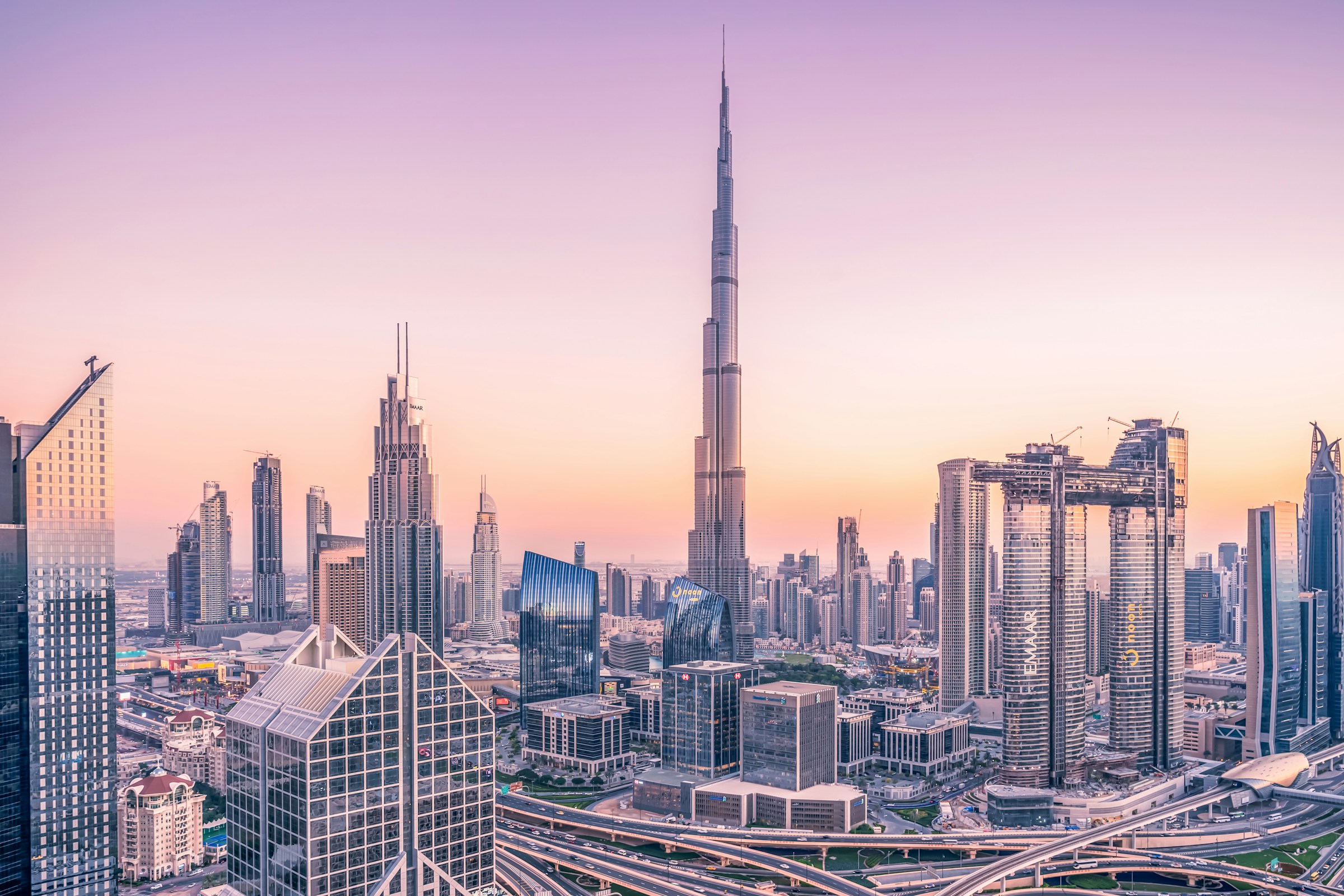
This year has had its share of regional noise, the kind that makes headlines everywhere from London to Los Angeles. What rarely makes those same headlines is how little that noise has actually touched daily life here. Malls are open. Restaurants are busy. The Metro runs on schedule. Beach walks continue. Construction crews are on site. Schools operate on their normal calendar. Businesses are open and welcoming clients, exactly as they have all year.
One Dubai-based project manager put it simply: ‘I feel safe living in the UAE right now. Despite everything happening in the wider world, daily life continues smoothly here. The strict law enforcement and strong governance make a big difference. It is a place where you can go about your daily life without constant worry, which is not something you can say about many parts of the world.’ That sense of normalcy is what residents are actually reporting, and it tracks with the data. For official, up to date guidance at any point, the UAE government’s official portal is the most reliable source.
The Numbers: Dubai’s Safety Record Speaks for Itself
The Numbeo Safety Index 2026, one of the most widely referenced global safety benchmarks, placed the UAE as the number one safest country in the world with a score of 86.0. That ranking is compiled from real residents reporting on their day-to-day sense of security, crime exposure, and confidence in authorities, and it puts Dubai ahead of London, New York, Paris, Rome, and Sydney on the same measure, the very cities most expats are relocating from.
The structural reasons behind that ranking have not changed: an extensive security and surveillance infrastructure, strict law enforcement with real consequences for criminal behaviour, a dedicated Dubai Resilience Centre and formally approved Dubai Resilience Strategy, and a National Early Warning System built to communicate risks quickly and reduce public uncertainty. These are not abstract policy documents, they are active systems, funded and functioning, that quietly work in the background of daily life here.
Flights and Getting Here
Dubai International (DXB) and Al Maktoum International (DWC) remain fully operational, and Emirates, Etihad, and flydubai continue running their normal UAE passenger schedules. As with any major international hub, it is always sensible to check your airline’s status page before heading to the airport and, where possible, book a flexible fare, simply as good travel practice rather than a reflection of anything specific to Dubai. For expats already based here, flight connectivity has continued supporting normal life all year, seeing family abroad, business travel, and the ordinary rhythm of a genuinely well-connected international city.
Important: Respecting UAE Laws as an Expat
If you are an expat living in Dubai, or planning to move here, it is worth genuinely understanding and respecting the UAE’s clear legal framework, which extends to how you behave online and what you share publicly. This is not a warning designed to create fear, it is information every responsible expat benefits from having.
The UAE has strict cyber-crime laws governing the sharing of content related to national security, or content that could be deemed damaging to the country’s image or social order. These laws apply to everyone in the country, regardless of nationality. In practice, this means not filming, photographing, or sharing footage of security incidents or infrastructure; not posting unverified rumours or speculation online; and always following official guidance from UAE authorities. As an expat, the sensible approach is simple: live your life, enjoy what Dubai offers, and let the authorities handle official communications through their own channels.
Is Dubai Safe for Women and Families?
Yes, and this deserves its own section because it is a question many readers, particularly women considering a move to Dubai, are actively asking. Dubai has long been considered one of the most women-friendly cities in the Middle East, built on real structural protections: strict laws against harassment, extensive public surveillance, strong cultural norms around hospitality and respect, and effective policing. Women in Dubai, expats and residents alike, regularly walk alone at night, use public transport independently, and move freely throughout the city, and that has held true all year.
For families, Dubai offers world-class schools, safe residential communities, family-friendly beaches and parks, and the kind of low day-to-day crime environment that parents genuinely value. Schools have continued operating on their normal calendar throughout the year, and weekend routines, brunches and beach days have carried on without interruption. If you are still weighing up where to settle, our guide on the Best Areas to Live in Dubai covers the top neighbourhoods for expat families in 2026, and What is the Real Cost of Living in Dubai 2026 gives you the real numbers to plan around.
The Expat Community Perspective
One of the more telling signals from this year is that the overwhelming majority of expats living in Dubai have simply stayed, and continue building their lives here. Earlier in the year, the Head of the British Chamber of Commerce in Dubai noted that stories of mass expat departures were significantly overstated, and most families who travelled home for planned breaks returned exactly as planned.
This is a community that has been through disruption before and has consistently chosen to stay. Dubai’s long-term residents remember the 2008 financial crisis and the COVID-19 pandemic, and each time, the city adapted, stabilised, and continued to grow. One long-term resident who has lived in the UAE for over 45 years put it this way: ‘I am very confident that the authorities are taking good care of all the residents, both citizens and expats alike. My experience during COVID-19 especially, and how well the authorities handled the situation, makes me feel confident that the UAE will prevail once again.’ That is someone who has seen this city at its most uncertain, more than once, and chosen to stay anyway.
Should You Move to or Visit Dubai Right Now?
If you are on the fence, here is a genuinely balanced take rather than a sales pitch. Moving or travelling now makes strong sense if you have a job offer, business opportunity, or firm plans in place, you have done your research on the city and its laws, and you are comfortable following official guidance through legitimate channels rather than social media noise. Dubai’s track record this year, and across every previous test it has faced, points clearly toward a city that recovers quickly and keeps functioning.
Whichever way you lean, if travel is part of your plan, it is always worth having proper travel insurance in place regardless of destination, simply as good practice. A SafetyWing plan is a solid, flexible option worth considering for that.
What can be said clearly is this: Dubai is not a city in crisis. It is a city that has quietly kept functioning, welcoming, and growing through a genuinely eventful year, which says a great deal about the systems built to keep it that way.
Why Dubai’s Resilience Is One of Its Greatest Qualities
Here is something that rarely makes the news but that every long-term Dubai expat knows: this city has an extraordinary ability to keep moving forward. The UAE government’s formally approved Dubai Resilience Strategy is specifically designed to protect communities, infrastructure, essential needs, and governance capacity during any period of disruption, and the Dubai Resilience Centre exists to put that strategy into action. Earlier this year, a Dh1 billion stimulus package was announced to help businesses and families navigate broader economic pressures, a decisive, fast response that is characteristic of how Dubai tends to operate.
This is why Dubai remains one of the more reassuring places to be an expat, even in a genuinely eventful year: not because nothing ever happens in the world around it, but because the systems built to handle disruption here are real, well funded, and have proven themselves repeatedly.
Why People Keep Choosing Dubai
It is worth stepping back and remembering why so many people fall in love with this city in the first place, because that has not changed either. Dubai offers tax-free income, world-class infrastructure, and a genuinely international community drawn from nearly every country on earth. It is a city built for ambition, where career growth often happens faster than it would back home, and where the day-to-day convenience, world-class dining, direct flights to almost anywhere, and a genuine sense of possibility make ordinary life feel a little more exciting than it does elsewhere.
Families are drawn here for the schools, the safety, and the sheer range of things to do on a Saturday, from beach clubs to desert adventures to some of the best kids’ activities anywhere in the region. Young professionals come for the career acceleration and the social scene. Long-term residents stay because, year after year, this city keeps proving that it can handle whatever the wider world throws at it without losing what makes it special. That track record is, in many ways, the real answer to the question this post keeps coming back to.
Final Thoughts: Is Dubai Safe for Expats After the Ceasefire?
Yes. Clearly and confidently: Dubai is safe for expats right now. This city has been through uncertainty before and has come through every single time with daily life fully intact. If you love this city, or you have been dreaming about building your life here, do not let a headline from anywhere else in the world become the final word in your story.
Stay informed through official channels, respect the laws, and check current guidance close to any date you are actually travelling or relocating, simply as sensible practice. Dubai is still here. It is still one of the most extraordinary places in the world to live, work, and raise a family, and it is still safe.
For the thousands of expats already building their lives here, and for everyone still deciding whether Dubai is the right move, the answer this city keeps giving, year after year, is a confident one. It shows up in the schools that stay full, the restaurants that stay busy, and the residents who, given every reason to leave at some point over the years, choose again and again to stay.
With love,
Dearest Dubai 🤍Disclaimer: This post is written for informational purposes only. Always check the latest travel advisories from your own government and follow official UAE guidance for th
Keep reading for the full breakdow